Fitness article
Jawline Exercises: What They Can—and Cannot—Do

Jawline exercises may help you notice facial and neck tension, posture, and movement. They may also have a role in specific therapeutic programmes when a q
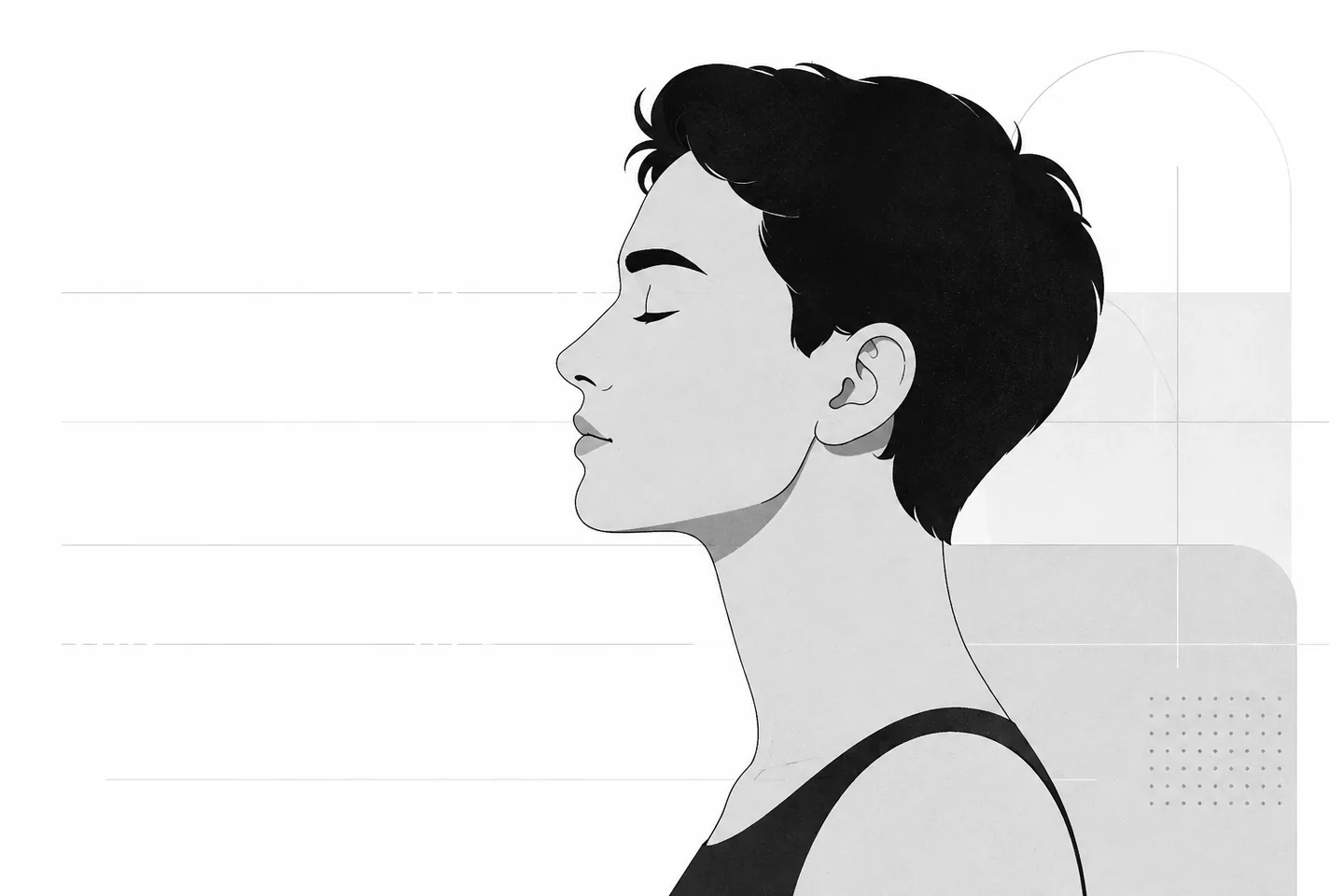
Jawline exercises may help you notice facial and neck tension, posture, and movement. They may also have a role in specific therapeutic programmes when a qualified clinician suggests them. However, current evidence does not establish that general-purpose facial exercises can reliably reshape the jawbone, remove localised fat, or produce a dramatic cosmetic transformation. A thoughtful approach starts by separating appearance goals from jaw health.
What the jawline actually reflects
The visible line between the lower face and the neck is not controlled by one muscle alone. Its appearance is influenced by the shape of the mandible, the position of the teeth and bite, the distribution of soft tissue, skin elasticity, age-related changes, genetics, and the way the head and neck are held. The masseter and other muscles involved in chewing contribute to the contour of the lower face, but exercising them does not give you direct control over every factor that defines the jawline.
This is why the same routine may appear to produce different results in different people. One person may notice a temporary change in muscle tension or posture. Another may see no visible difference. Lighting, facial expression, hydration, camera angle, and the position of the head can also change how a jawline looks from one photograph to the next.
What does the evidence say?
Research into facial exercise for cosmetic rejuvenation remains limited. A systematic review assessed the available literature and found that the studies were generally small, lacked proper control groups or randomisation, and often relied on subjective assessments. The authors concluded that there was not enough evidence to determine whether facial exercises were effective for facial rejuvenation. Read the systematic review on PubMed.
A separate controlled study followed a small group of participants through seven weeks of daily facial exercise. Images were assessed for several facial areas, including the jawline and the area beneath the chin. The study found only one significant difference between the exercise and control groups, and the authors stated that the results could not establish facial exercise as effective. See the controlled study on PubMed.
Other reviews have identified individual studies reporting localised changes in areas such as the cheeks, jawline, or lower-face skin. That is not the same as proving a dependable, general result. The studies use different routines, durations, participants, and ways of measuring change. A further review notes that the evidence remains difficult to interpret because of small samples, methodological differences, and limited generalisability. Read the review of conservative facial-rejuvenation techniques.
Gentle exercises to try
If your goal is simply to explore facial movement, keep the routine light and controlled. The purpose is to move without forcing the jaw, not to create fatigue or soreness. Sit comfortably, let your shoulders drop, and breathe normally throughout.
Resting-jaw awareness
Begin by noticing where your teeth and tongue are resting. Allow the teeth to remain slightly apart rather than pressed together. Let the tongue rest comfortably in the mouth, without pushing forcefully against the palate. Relax the lips and soften the muscles around the eyes and cheeks. Hold this easy position for several breaths, then release.
This is less a strengthening exercise than a check-in. Many people hold tension in the jaw without noticing it, particularly while concentrating or using a screen. Awareness can make it easier to interrupt that habit.
Slow, comfortable opening
With the head balanced over the neck, open the mouth slowly only as far as feels smooth. Pause briefly, then close without clenching. Repeat a few times, keeping the movement symmetrical and unhurried. Do not push through a click, catch, sharp sensation, or restricted movement.
The aim is comfortable range of motion. It is not a test of how wide the mouth can open, and it should not be performed with resistance unless a clinician has shown you a specific exercise for a diagnosed problem.
Neck length and chin position
Stand or sit tall and imagine the crown of the head moving gently upward. Draw the chin back a small amount, as though creating length at the back of the neck, while keeping the gaze level. Avoid thrusting the chin forward or pressing it down toward the chest. Hold for a few seconds, breathe, and return to neutral.
This movement may help you observe the relationship between head position and the appearance of the lower face. It does not “burn” fat from the chin, but a more balanced posture can change how the neck and jawline are presented in the moment.
Gentle side-to-side movement
Move the lower jaw a small distance to one side, return to centre, and repeat on the other side. Keep the motion within a comfortable range and avoid sliding aggressively. A few slow repetitions are enough. Stop if the movement produces pain, locking, or increasing irritation.
Movements to approach with caution
Some popular routines rely on prolonged gum chewing, hard resistance devices, forceful clenching, or repeated exaggerated expressions. More effort does not automatically create a better result. Repetitive loading may be unhelpful for people who already clench their teeth, grind at night, have sensitive teeth, or experience discomfort around the jaw joint.
“Mewing” and other tongue-posture trends also deserve careful framing. A relaxed tongue position is different from pushing forcefully or attempting to remodel the face through pressure. Do not use aggressive pressure, tie the jaw shut, or deliberately alter your bite. The shape of the jaw is not something to experiment with through force.
Chewing gum can also be a poor choice if your jaw is already irritated. Public dental-health guidance recommends reducing habits such as jaw clenching, gum chewing, and nail biting when managing temporomandibular joint and muscle problems. Review the NIDCR guidance on temporomandibular disorders.
When jawline exercises are the wrong tool
Cosmetic curiosity and jaw symptoms should not be treated as the same issue. Contact a dentist, doctor, or appropriately qualified healthcare professional if you have persistent jaw pain, difficulty opening or closing the mouth, locking, pain while chewing, frequent headaches associated with jaw tension, or signs of tooth wear. A painless clicking sound can be common, but pain or loss of function deserves attention.
The correct exercise programme depends on the cause. For some temporomandibular disorders, a clinician may recommend gentle stretching, strengthening, heat or cold, and changes to aggravating habits. These exercises are intended to support function or comfort; they are not the same as an unsupervised cosmetic routine. The same guidance advises beginning with conservative approaches and avoiding treatments that permanently change the jaw joints, teeth, or bite without appropriate evaluation.
Seek advice as well if a change in facial shape appears suddenly, follows an injury, or is accompanied by swelling, numbness, fever, or significant dental pain. Those signs call for assessment rather than more exercise.
A sensible way to begin
Start with a clear goal. If you want to reduce clenching or become more aware of posture, a short, gentle routine may be reasonable. If you want to change the underlying shape of your jaw or remove fat from one precise area, exercises alone are unlikely to offer a reliable answer.
Use a mirror only to check that the movement is relaxed and even, not to chase a particular angle. Keep the range small, avoid resistance, and stop at the first sign of pain. Rather than judging progress through daily photographs, pay attention to comfort, ease of movement, and whether you are holding less tension.