Fitness article
Facial Exercises for Jawline

Facial exercises for the jawline use controlled movements of the lower face, tongue and neck. They may improve awareness of posture and muscle tension, but
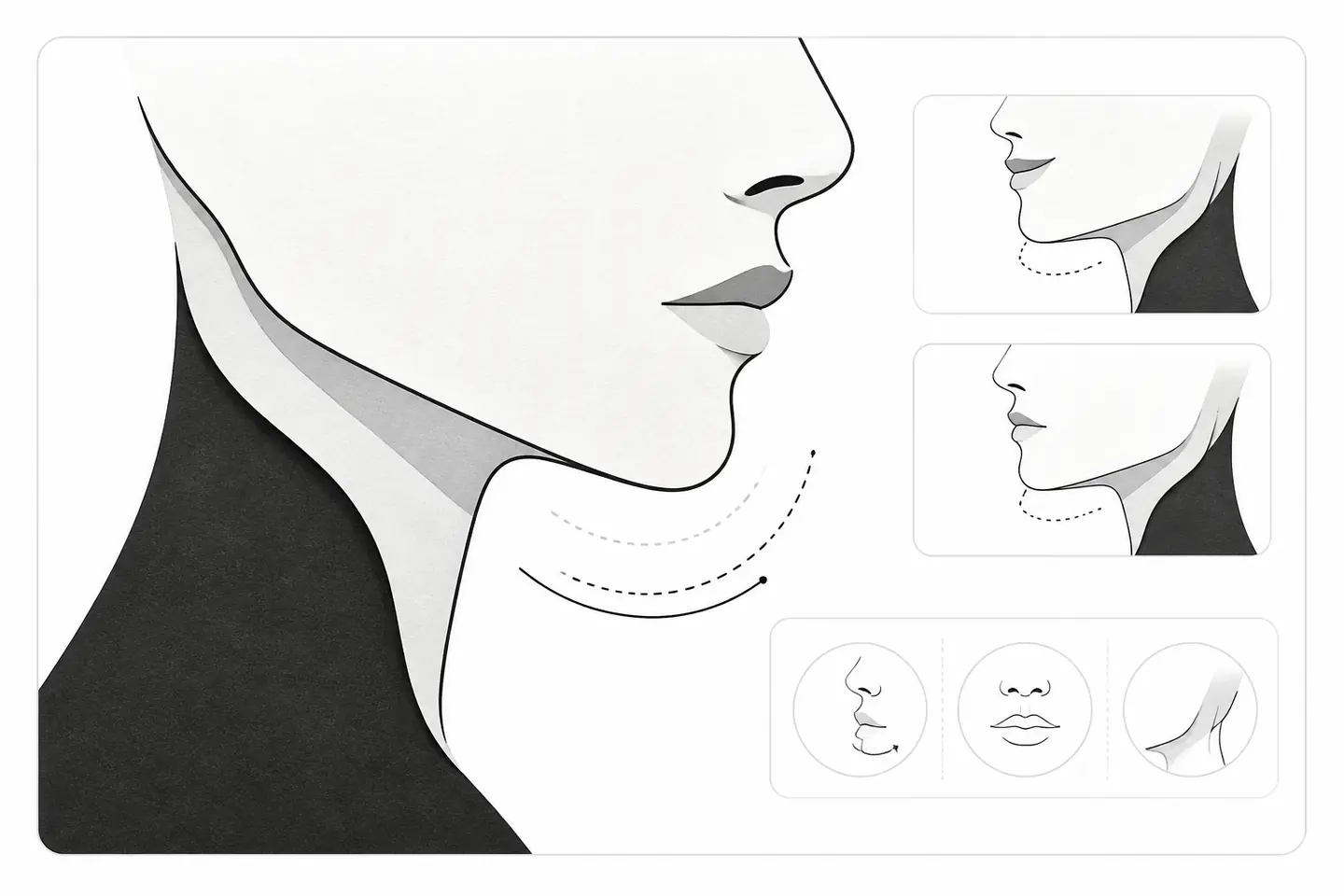
Facial exercises for the jawline use controlled movements of the lower face, tongue and neck. They may improve awareness of posture and muscle tension, but they cannot reshape an adult jawbone or remove fat from one chosen area. A jawline's appearance also depends on inherited bone structure, body-fat distribution, skin elasticity, dental alignment and head position.
That makes realistic expectations important. The most useful routine is gentle, brief and pain-free. It should support comfortable movement rather than promise a dramatic change in facial shape.
What Jawline Exercises Can and Cannot Do
The jaw is moved by several muscles. The masseter at each side of the face closes the jaw, while deeper muscles help it move forwards and sideways. Muscles beneath the chin assist with swallowing and tongue movement, and the front and sides of the neck help control head position.
Training these areas may improve muscular control or make a person more conscious of unnecessary clenching. Visible changes, if any, are likely to be modest. Jawline exercises should not be treated as a way to change the underlying skeleton.
Exercise also cannot spot-reduce fat beneath the chin. When body fat changes, the body decides where it loses or stores fat according to factors such as genetics and overall energy balance. Repeated jaw movements do not direct fat loss to the lower face.
More muscle activity is not always cosmetically useful. Forceful chewing can fatigue the jaw, and enlarging the masseter may make the lower face look wider rather than narrower. Skin laxity, swelling and dental or bite concerns also need different approaches; facial exercise cannot correct every cause of a softer jawline.
Safety Before Appearance
Do not exercise through jaw pain, sharp neck pain, headache, locking or painful clicking. Stop if a movement changes how the teeth meet or makes it difficult to open or close the mouth. People with a jaw-joint disorder, recent dental treatment, neck injury, arthritis or recurring facial pain should ask a suitable clinician for individual advice first.
At rest, let the lips meet lightly while keeping the teeth slightly apart. Avoid holding the jaw clenched between repetitions. Published jawline exercise guidance also emphasises slow movement and stopping when an exercise causes pain.
Begin with one short session on two or three non-consecutive days each week. Use a comfortable range rather than trying to stretch as far as possible. Five controlled repetitions of each movement are enough for a first attempt. Add repetitions only when the jaw and neck feel normal during the session and the following day.
A Gentle Four-Movement Routine
Sit or stand upright before starting. Keep the shoulders loose, look straight ahead and take several unforced breaths. Open and close the mouth slowly a few times without pushing into the end of its range.
Small Chin Tuck
Keep the face level and glide the head straight backwards, as though making a small double chin. Do not tip the head down. Hold for two or three comfortable breaths, then release. This movement trains awareness of head position and should feel mild at the back of the neck.
Tongue-to-Palate Hold
Place the broad surface of the tongue against the roof of the mouth, just behind the upper teeth. Keep the teeth apart and press upwards gently while breathing normally. Hold for about five seconds, then relax the tongue and jaw fully. The effort should be felt beneath the chin, not as pressure against the teeth.
Controlled Jaw Opening
Place the tongue lightly on the roof of the mouth and open the jaw only as far as it moves smoothly. Pause, then close without snapping the teeth together. Watch in a mirror: the chin should travel down without a pronounced shift to either side. Stop if the joint catches or produces pain.
Low Neck Lift
Lie on the back with the knees bent. Make a small chin tuck, then lift the head only a few centimetres while keeping the shoulders down. Hold briefly and lower with control. Skip this movement if it strains the upper neck or causes dizziness. It is a posture exercise, not a method for burning chin fat.
Rest between movements and end the session before the muscles feel exhausted. Avoid adding hard chewing, high-resistance devices or prolonged clenching. A routine that causes next-day tenderness, more clicking or a tension headache is too demanding.
A Simple Session Order
- Settle into a comfortable upright position and release the shoulders.
- Check that the lips are relaxed and the teeth are not touching.
- Complete five small chin tucks and five tongue-to-palate holds.
- Try five controlled jaw openings, stopping at the first sign of catching or pain.
- Finish with the low neck lift only if the earlier movements felt comfortable.
The complete sequence need not last more than a few minutes. Keep the pace slow enough to breathe normally. On a day when the jaw already feels sore or tired, omit the routine and allow it to settle.
Posture and Daily Habits
Head position can change how the jaw-to-neck angle looks, especially in photographs, but posture does not alter facial anatomy. A forward head may compress the front of the neck and increase tension in the jaw and upper shoulders. A neutral position places the ears roughly above the shoulders with the gaze level.
Raise a low screen rather than bending towards it for long periods. Keep a keyboard close enough that the shoulders can relax, and bring a phone nearer to eye level when practical. Change position regularly; trying to hold a rigid posture all day can create a different form of strain.
Notice daytime clenching. The teeth do not need to touch while reading, working or driving. If stress prompts clenching, use a simple cue such as relaxing the tongue and taking one slow breath whenever the jaw feels tight. Persistent grinding, tooth wear or morning jaw soreness needs dental assessment rather than harder exercise.
General activity, balanced eating and steady sleep habits support health and body composition, which may influence facial fullness over time. They do not guarantee a particular jawline. Hydration and salty meals can affect temporary puffiness in some people, so a single photograph or mirror check is poor evidence of progress.
How to Judge Whether the Routine Helps
Track comfort before appearance. Once a week, note whether the jaw opens smoothly, whether clicking has changed, and whether headaches or tenderness followed practice. If symptoms worsen, stop the routine rather than reducing rest or adding resistance.
For a visual comparison, use photographs taken several weeks apart with the same camera distance, lighting, facial expression and head position. This reduces the effect of shadows and posture. Even then, changes may reflect body weight, fluid balance or lighting rather than the exercises themselves.
Keep only movements that remain comfortable and easy to perform correctly. Evidence summaries on medical evidence on jawline exercises support cautious expectations: muscle activity is not the same as proven facial reshaping.
When to Seek Professional Advice
Arrange an assessment if pain persists after stopping the exercises, the jaw repeatedly locks, mouth opening becomes limited, or chewing changes. New swelling, a sudden change in facial symmetry, severe pain after an injury, or an inability to open or close the mouth normally needs prompt medical or dental attention.
A clinician can distinguish muscle tension from a joint, dental, nerve or neck problem and recommend movement suited to the cause. Until then, avoid self-prescribed resistance work. Gentle awareness, relaxed posture and freedom from pain are better measures of a useful jawline routine than fatigue or dramatic short-term appearance claims.