Fitness article
Face Exercises for Jawline

Face exercises can improve awareness and control of the muscles around the jaw, mouth and neck. They may also encourage a more neutral head position. They
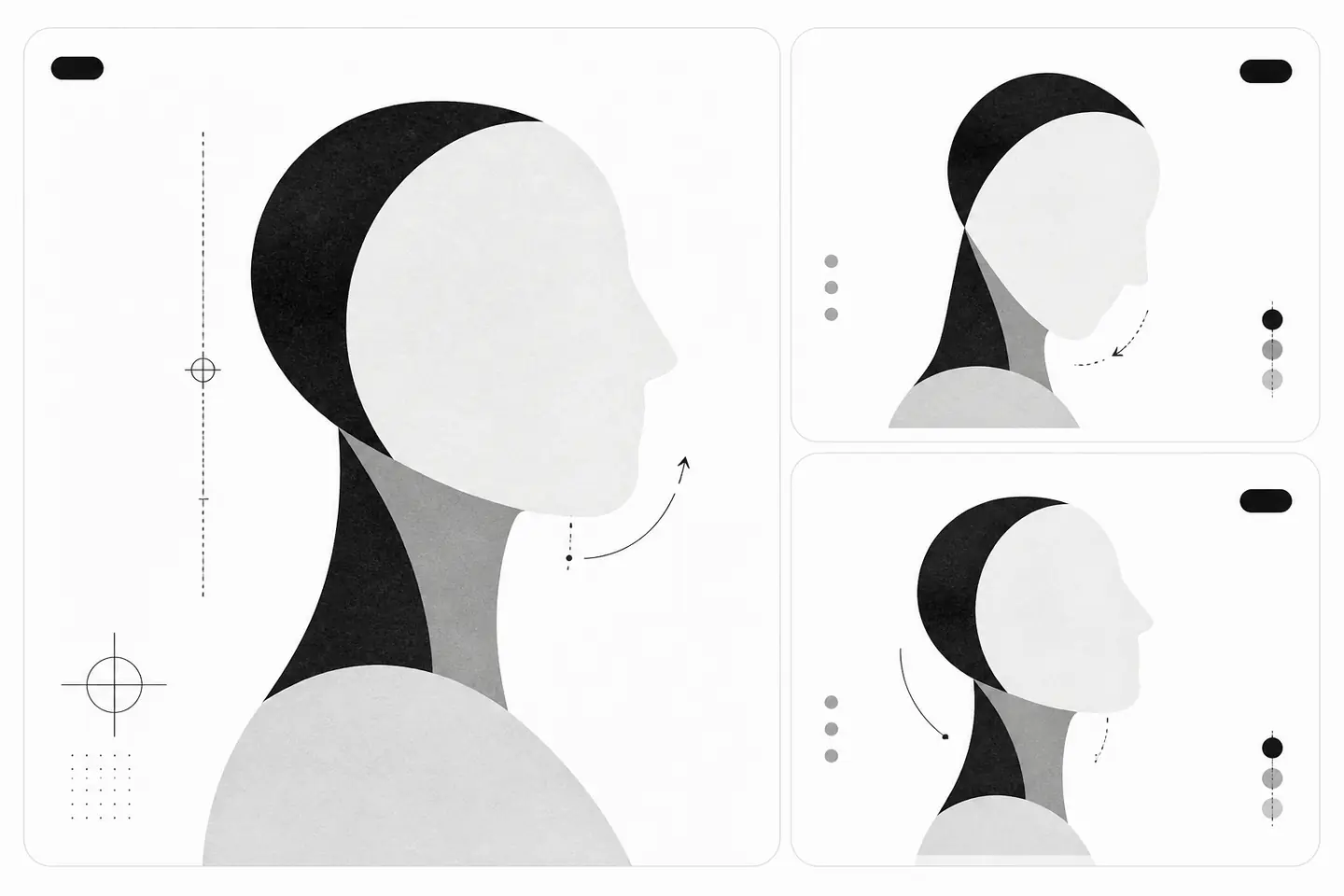
Face exercises can improve awareness and control of the muscles around the jaw, mouth and neck. They may also encourage a more neutral head position. They cannot remove fat from one chosen area, tighten loose skin on demand or alter the shape of an adult jawbone.
A useful routine is therefore gentle and limited. It should focus on posture, smooth movement and relaxation rather than hard chewing, repeated clenching or exaggerated mouth opening. Any change in appearance is likely to be subtle, and comfort matters more than intensity.
What Face Exercises Can and Cannot Do
The outline of the lower face reflects bone structure, fat distribution, skin elasticity, dental alignment, muscle size and head position. Exercise affects only part of that picture. It may help someone notice a forward head position or a habit of tightening the jaw, but it cannot override inherited anatomy.
The evidence for visible cosmetic change from facial exercise remains limited. Small studies do not establish that a routine will sharpen every jawline. Treat claims of rapid or dramatic reshaping cautiously, especially when they depend on forceful resistance or a device. Jawline routines are not spot-fat reduction, so changes in body fat occur through whole-body energy balance rather than repeated movement of one facial area.
Posture can change how the jaw-to-neck angle looks without changing the underlying tissues. Bringing the head back over the shoulders may make the neck appear longer and reduce folds created by looking down. This is a positional effect, not permanent contouring.
Check That Exercise Is Appropriate
Do not begin a jaw routine during recovery from facial, dental, jaw or neck surgery unless the clinician overseeing recovery approves it. Seek individual advice first if you have an existing neck condition, facial nerve weakness, persistent numbness, unexplained swelling or a diagnosed jaw-joint disorder.
Jaw clicking without pain can be common, but pain, locking or restricted movement needs more caution. Stop an exercise and arrange an assessment if it causes or worsens:
- sharp pain in the jaw joint, teeth, face or neck;
- a painful click, catching or locking;
- difficulty opening the mouth or a new change in the bite;
- headache, dizziness, tingling, numbness or facial weakness;
- swelling or pain that affects eating, speaking or sleep.
Do not push through symptoms by biting harder or holding a position longer. Painless muscle awareness during an unfamiliar movement is different from joint pain. The jaw should still feel normal during ordinary chewing and speaking after the session. jawline exercises and safety guidance also favours a gradual approach over forceful training.
Principles for a Comfortable Routine
Start seated or standing tall, with the ears roughly above the shoulders and the chin level. Let the shoulders drop. Keep the lips relaxed and the upper and lower teeth slightly apart unless an exercise specifically involves closing the mouth.
Move slowly enough to notice whether the jaw travels evenly. Breathe normally and stop before strain changes the movement. A mirror can help reveal a jutting chin, raised shoulder or jaw that shifts to one side.
- Use a small range: A controlled movement is more useful than forcing the neck or mouth to its limit.
- Avoid resistance at first: Body position and light muscle engagement are enough for practice.
- Keep sessions short: Begin with one set and leave at least a day between sessions if the muscles feel tired.
- Progress one element: Add a repetition or a few seconds, not extra resistance and volume at the same time.
Four Controlled Face and Neck Exercises
1. Chin Tuck
Sit against the back of a chair or stand with the upper back close to a wall. Look straight ahead. Glide the chin directly backwards as though making a small double chin, without dropping the gaze towards the floor.
Hold for three to five seconds, release fully and repeat five to eight times. You should feel gentle work at the front of the neck and length through the back of it. Stop if the movement causes dizziness, headache or neck pain.
2. Controlled Jaw Opening
Rest the tip of the tongue lightly on the roof of the mouth, just behind the upper front teeth. Open the mouth slowly only as far as the movement stays smooth and comfortable, then close at the same pace. Use a mirror to check that the chin does not veer sharply to either side.
Complete five slow repetitions. Do not press on the jaw or add resistance. If there is painful clicking, locking or a sudden change in the path of movement, stop and seek advice rather than trying to correct it by force.
3. Tongue-to-Palate Hold
Close the lips gently while keeping the teeth apart. Place the broad surface of the tongue against the palate without pushing into the front teeth. Maintain light contact for five seconds while breathing normally, then relax the tongue and jaw.
Repeat five times. The aim is awareness of a relaxed resting position, not maximum pressure. This hold cannot move the adult jaw into a new shape. Concerns about swallowing, chronic mouth breathing, speech or bite alignment need assessment rather than a longer hold.
4. Small Neck Curl
Lie on your back with the knees bent and feet supported. Make a slight chin tuck, then lift the head only far enough to clear it from the surface. Keep the chin gently drawn in rather than pointing upwards. Lower slowly and rest before the next repetition.
Begin with three to five repetitions. The shoulders remain down and the teeth remain apart. Skip this exercise if lying flat or lifting the head aggravates a neck condition. Jawline exercises commonly include neck-focused movements, but control is more important than completing a prescribed number.
A Short Practice Sequence
This sequence takes only a few minutes and avoids combining every possible movement. Practise it two or three times a week at first, preferably when you are not already experiencing jaw or neck discomfort.
- Settle your posture: Sit tall for three slow breaths. Relax the forehead, shoulders, lips and jaw.
- Perform chin tucks: Complete five controlled repetitions with a full release between them.
- Open the jaw slowly: Complete five pain-free openings with no added resistance.
- Use tongue holds: Hold light palate contact five times, relaxing after each hold.
- Choose the neck curl: Add three repetitions only if the neck feels comfortable and you can maintain control.
- Finish relaxed: Let the teeth separate, breathe slowly and check for new discomfort before continuing with the day.
There is no benefit in finishing a set after the movement becomes uneven or uncomfortable. Do not pair the routine with gum chewing, hard biting devices or deliberate clenching. These add load to the jaw joint and chewing muscles without solving skin laxity or under-chin fat.
Posture and Everyday Habits
Screen position often matters more than another exercise. Place the main screen near eye level, bring a phone upwards instead of lowering the head for long periods, and use back support when sitting. During a long task, stand periodically, relax the shoulders and reset the head over the body.
Sleep, hydration and sodium intake can affect temporary facial puffiness, but none provides targeted fat loss. Eat and drink for general health rather than chasing a short-term jawline effect. If weight loss is appropriate for you, use a sustainable whole-body approach and seek medical guidance when health conditions or eating concerns are involved.
Avoid repeatedly posing with the chin lifted or tightly clenched while practising. That can hide whether the resting posture has changed and may encourage tension. A neutral position gives a more honest comparison.
Track Comfort Before Appearance
Use a simple note after each session: which movements you completed, whether the jaw clicked painfully, and whether headache, tooth pain or neck tension appeared later. Reduce or stop the routine if symptoms build across sessions.
If you want photographs, take them infrequently under the same lighting, camera height and neutral expression. Daily images are easily distorted by angle, fluid balance and posture. Do not increase exercise merely because photographs show no quick change.
When Professional Advice Is More Useful
A dentist or doctor can assess jaw pain, grinding, worn teeth, bite changes, restricted opening and painful joint sounds. A physiotherapist with relevant experience may help with neck posture and controlled movement when appropriate. Sudden swelling, injury, facial weakness, severe pain or an inability to eat or drink needs prompt medical assessment.
Cosmetic concerns without pain still deserve realistic advice. Different causes, such as under-chin fat, loose skin, muscle size or bone structure, do not respond to the same approach. A qualified clinician can explain the likely cause and the limits and risks of available options without treating exercise as a substitute for diagnosis.